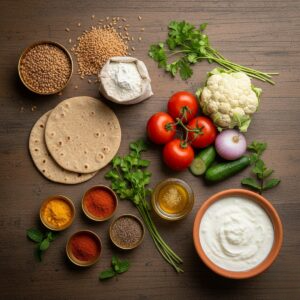
Think Punjabi food is just about indulgence? Think again! Traditional Punjabi cuisine is packed with nutritional benefits that have sustained generations with energy, strength, and vitality. Let’s explore the hidden health treasures in your favorite Amritsari dishes.
The Nutritional Wisdom of Punjab
Punjabi cuisine evolved over centuries to meet the nutritional needs of farmers and workers. Rich in proteins, healthy fats, complex carbs, and essential nutrients, these dishes provide sustained energy and complete nutrition.
Top Nutritional Benefits
1. Protein Powerhouse
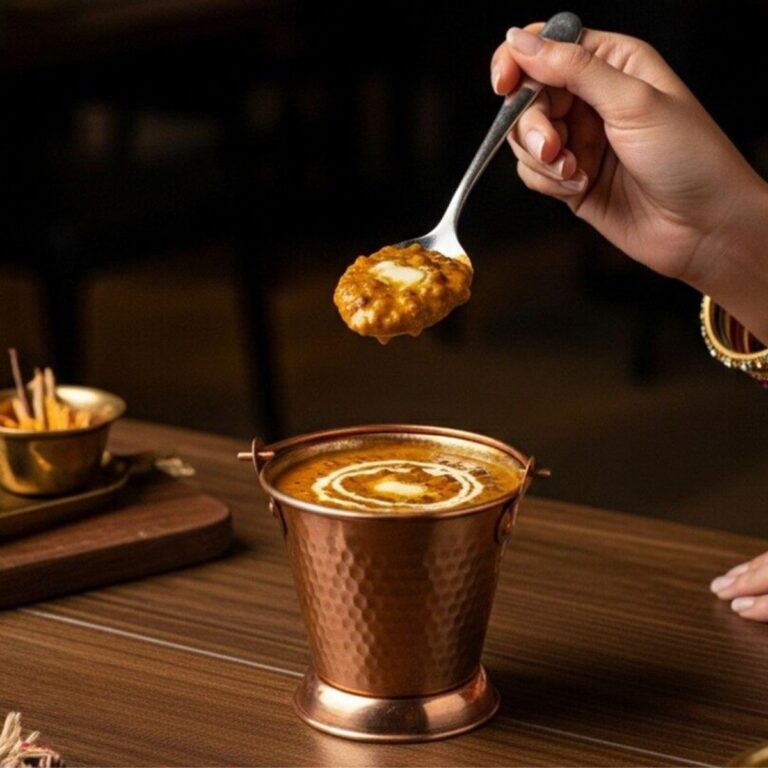
Dal (Lentils): Traditional dal dishes like Dal Makhani and Dal Tadka are exceptional protein sources, especially for vegetarians. One bowl provides:
- 15-18g protein
- Essential amino acids
- Iron and folate
- Dietary fiber for digestion
Paneer (Cottage Cheese): Fresh paneer offers high-quality protein with calcium for strong bones and teeth.
Benefits: Builds muscle, supports immunity, promotes satiety
2. Probiotic-Rich Lassi & Yogurt
Traditional lassi and yogurt-based dishes contain live cultures that:
- Improve gut health and digestion
- Boost immunity
- Aid nutrient absorption
- Reduce inflammation
- Support mental health through gut-brain connection
Chef’s Tip: Homemade yogurt has more beneficial bacteria than processed versions!
3. Whole Grains & Complex Carbs
Wheat Rotis & Kulchas: Made from whole wheat or refined flour, these provide:
- Sustained energy release
- B-vitamins for metabolism
- Dietary fiber
- Essential minerals like selenium and manganese
Benefits: Prevents blood sugar spikes, promotes digestive health
4. Healthy Fats from Ghee
Don’t fear the ghee! Pure desi ghee in moderation offers:
- Fat-soluble vitamins (A, D, E, K)
- Butyric acid for gut health
- Anti-inflammatory properties
- Improved nutrient absorption
- Brain health support
Modern Science Says: Ghee contains healthy saturated fats that don’t harm heart health when consumed moderately.
5. Healing Spices
Traditional Punjabi spices aren’t just for flavor—they’re medicinal!
Turmeric (Haldi):
- Powerful anti-inflammatory
- Antioxidant properties
- Supports joint health
- Boosts immunity
Cumin (Jeera):
- Aids digestion
- Rich in iron
- Regulates blood sugar
Coriander (Dhania):
- Detoxifying properties
- Rich in vitamins A, C, K
- Supports heart health
Ginger (Adrak):
- Anti-nausea effects
- Reduces inflammation
- Improves circulation
Ajwain (Carom Seeds):
- Digestive aid
- Relieves acidity
- Antimicrobial properties
6. Vegetable-Rich Curries
Punjabi sabzis incorporate seasonal vegetables providing:
- Essential vitamins and minerals
- Antioxidants
- Dietary fiber
- Phytonutrients
Popular Dishes:
- Aloo Gobi (cauliflower + potatoes = vitamin C + potassium)
- Palak Paneer (spinach = iron + calcium)
- Baingan Bharta (eggplant = antioxidants)
7. Balanced Macronutrients
A traditional Punjabi thali naturally provides:
- Proteins: Dal, paneer, yogurt
- Carbs: Roti, rice
- Fats: Ghee, cooking oil
- Fiber: Vegetables, whole grains
- Vitamins & Minerals: Spices, fresh ingredients
This balance ensures complete nutrition in one meal!
Health Benefits of Signature Dishes
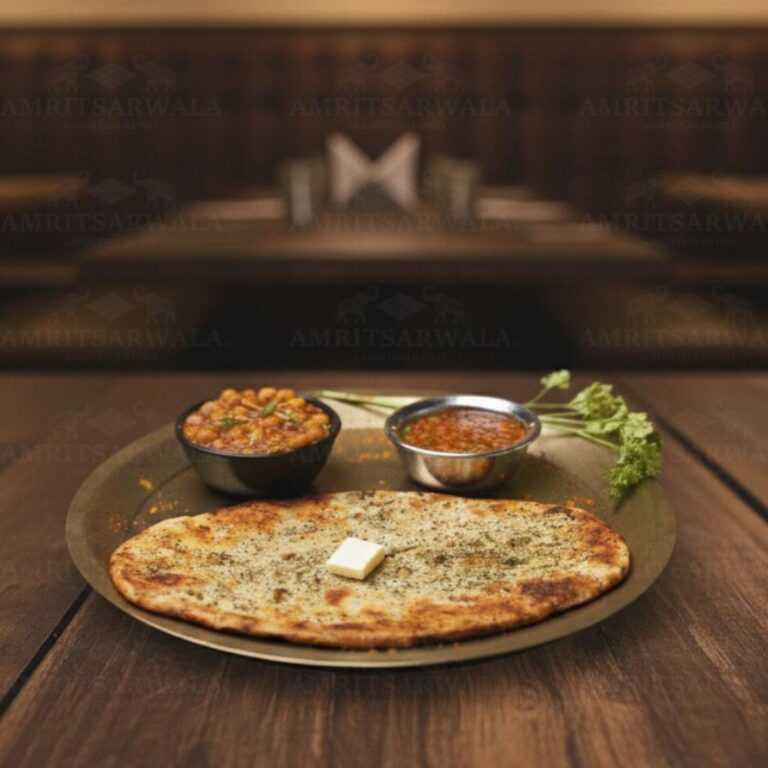
Amritsari Kulcha
- Energy from complex carbs
- Protein from filling (potatoes/paneer)
- Digestive benefits from ajwain
- B-vitamins from wheat flour
Chole (Chickpea Curry)
- High protein and fiber
- Regulates blood sugar
- Promotes heart health
- Rich in iron and folate
Sarson Ka Saag
- Loaded with vitamins A, C, K
- Calcium for bones
- Iron for blood health
- Detoxifying properties
Makki Ki Roti
- Gluten-free option
- Rich in antioxidants
- High fiber content
- Good for diabetics
The Power of Traditional Cooking Methods
Tandoor Cooking:
- Requires less oil
- Retains nutrients better
- Creates healthier char (moderate consumption)
- Enhances flavor without excess fat
Slow Cooking (Dam):
- Preserves nutrients
- Develops complex flavors
- Makes proteins more digestible
- Requires minimal oil
Clay Pot Cooking:
- Alkaline properties neutralize acidity
- Retains moisture and nutrients
- Adds trace minerals
- Natural non-stick surface
Busting Common Myths
Myth 1: “Punjabi food is too heavy”
Reality: Traditional portions are moderate. The richness provides sustained energy for active lifestyles.
Myth 2: “Ghee is unhealthy”
Reality: Pure ghee in moderation (1-2 tsp daily) offers numerous health benefits and doesn’t raise bad cholesterol.
Myth 3: “Too much carbs”
Reality: Whole grain rotis provide complex carbs with fiber, releasing energy slowly unlike refined carbs.
Myth 4: “Always high calorie”
Reality: Many dishes like dal, vegetable curries, and tandoori items are naturally low-calorie and nutrient-dense.
Making Punjabi Food Even Healthier
Simple Modifications:
✓ Use whole wheat flour instead of refined
✓ Reduce ghee/oil quantity (flavor remains!)
✓ Add more vegetables to curries
✓ Choose grilled/tandoori over fried
✓ Control portion sizes
✓ Balance rich dishes with lighter options
✓ Include fresh salads and raita
Remember: Traditional Punjabi cooking was already balanced—modern excess is the issue, not the cuisine itself!
The Secret: Food Made with Love
Beyond nutrients, Punjabi food’s greatest benefit is the love and care in preparation. Studies show meals cooked with positive intention and eaten mindfully improve digestion and satisfaction.
At Amritsarwala, we honor this tradition—every dish prepared with authentic ingredients, traditional methods, and heartfelt care.
Sample Balanced Punjabi Meal
Complete Nutrition in One Thali:
- Dal Makhani (protein + fiber)
- Mix Veg Sabzi (vitamins + minerals)
- 2 Whole Wheat Rotis (complex carbs)
- Raita (probiotics + calcium)
- Small portion Rice (energy)
- Salad (raw nutrients + enzymes)
- Pickle (fermented benefits)
Total: Balanced macros, complete amino acids, gut-friendly bacteria, essential vitamins and minerals!