In Punjab, festivals aren’t just celebrations—they’re grand feasts where food takes center stage! From harvest celebrations to religious occasions, every Punjabi festival has its own culinary traditions that bring families and communities together. Let’s explore how food weaves through Punjab’s vibrant festival calendar.
Food: The Heart of Punjabi Celebrations
Punjabi culture believes no celebration is complete without abundant, delicious food. Festivals are opportunities to prepare special dishes, share meals with loved ones, and express gratitude through culinary offerings. Food isn’t just sustenance—it’s love, tradition, and celebration on a plate.
Major Punjabi Festivals & Their Signature Foods
1. Baisakhi (April) – Harvest Festival
The most important Punjabi festival celebrates the spring harvest and Sikh New Year.
Traditional Foods:
- Makki ki Roti & Sarson ka Saag – The ultimate harvest combination
- Pindi Chole – Spicy chickpea curry
- Kheer – Sweet rice pudding
- Lassi – Cooling yogurt drink
- Jalebi – Sweet crispy spirals
Significance: Celebrates agricultural abundance and hard work. Farmers thank God for bountiful crops by preparing meals from fresh harvest.
Celebration Style: Community langars (free meals), dancing bhangra, sharing food with neighbors
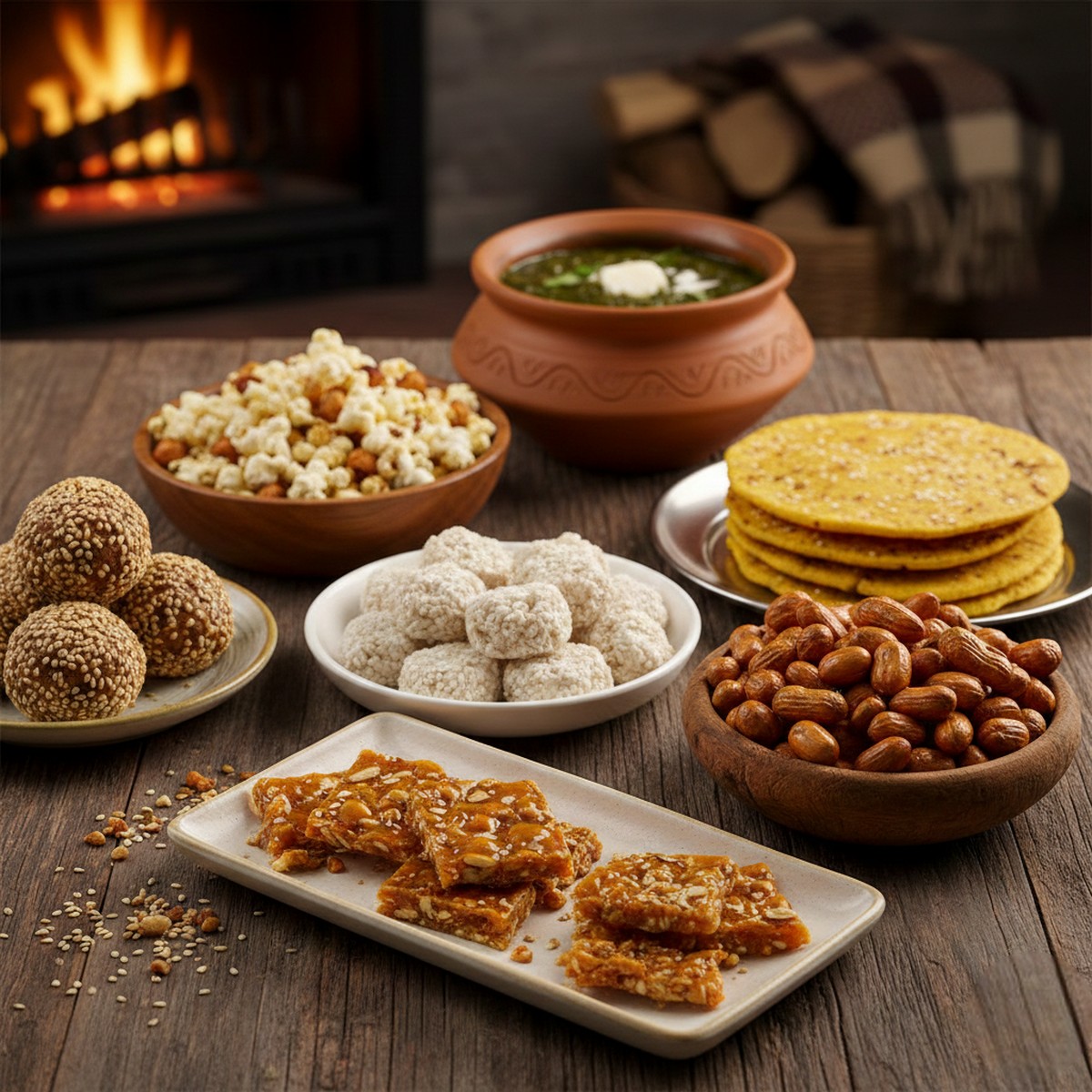
2. Lohri (January) – Winter Bonfire Festival
Celebrated on the coldest winter night, Lohri marks the end of winter and upcoming harvest season.
Traditional Foods:
- Gajak – Sesame and jaggery brittle
- Rewri – Sesame seed sweets
- Popcorn & Peanuts – Roasted offerings
- Til Ladoo – Sesame balls
- Moongfali – Roasted peanuts
- Sarson ka Saag & Makki ki Roti – Winter feast
Significance: Sesame and jaggery provide warmth during cold winters. Foods are first offered to the bonfire, then distributed.
Celebration Ritual: Throwing puffed rice, popcorn, and rewri into fire while singing traditional songs
3. Gurpurab – Guru’s Birth Anniversaries
Sikh religious festivals honoring the Gurus, especially Guru Nanak Dev Ji and Guru Gobind Singh Ji.
Traditional Foods:
- Karah Prasad – Sacred sweet offering (wheat, ghee, sugar)
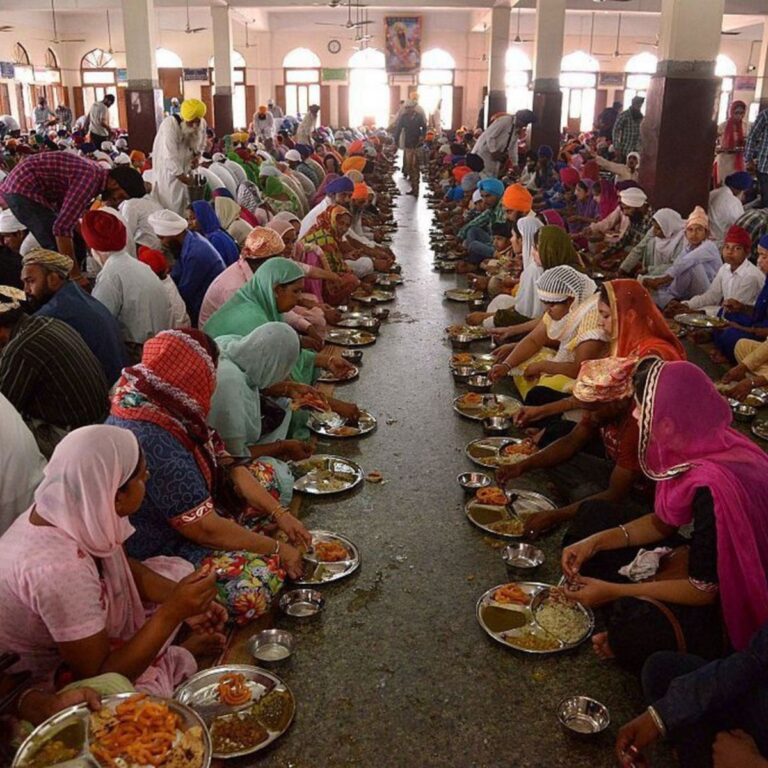
- Langar Meals – Free community kitchen serving simple, nutritious food
- Kadhi Chawal – Yogurt curry with rice
- Roti & Dal – Wholesome basics
- Halwa – Sweet semolina dessert
Significance: Langar embodies equality—everyone sits together on the floor, sharing the same simple meal regardless of status.
Core Value: Seva (selfless service) through cooking and serving thousands
4. Diwali – Festival of Lights
While celebrated across India, Punjabi Diwali has unique culinary traditions.
Traditional Foods:
- Pinni – Winter sweet made with desi ghee, flour, dry fruits
- Gujiya – Sweet dumplings filled with khoya
- Mathri – Savory crispy crackers
- Namakpare – Crunchy sweet-savory snacks
- Dry Fruit Barfi – Rich milk-based sweets
- Aloo Puri – Festive breakfast
Significance: Sweets symbolize sharing joy and prosperity. Families exchange homemade treats.
Preparation Tradition: Women gather days before to prepare traditional sweets together
5. Teej – Monsoon Festival
Celebrates monsoon arrival, observed especially by women.
Traditional Foods:
- Ghevar – Honeycomb-like sweet
- Malpua – Sweet pancakes
- Kheer – Rice pudding
- Pakoras – Monsoon comfort food
- Sweet Puri – Deep-fried sweet bread
Significance: Special sweets mark the joyous monsoon season after hot summers.